As the urban population has grown taller in recent years as a result of the demographic shift to cities, high-rise buildings continue to play a pivotal role in the provision of efficient urban housing. However, many of these buildings have become obsolete, leading to inefficiencies and environmental hazards. In order to ensure a sustainable future, considering infrastructure upgrades and energy management in high-rise buildings can be a cost-effective and efficient solution to the problem.
Older buildings often lack the energy efficiency and resilience and comfort needed to meet today’s environmental and social demands. This can be due to, for example, outdated air conditioning systems, inefficient heating systems, and so on. In the long run, this can even lead to social inequality due to deteriorating living conditions. The most effective approach is to upgrade these buildings with modern smart technologies (e.g. smart grids, energy efficient lifts and intelligent building management systems), which will significantly improve the energy management of these buildings and enhance occupant comfort.
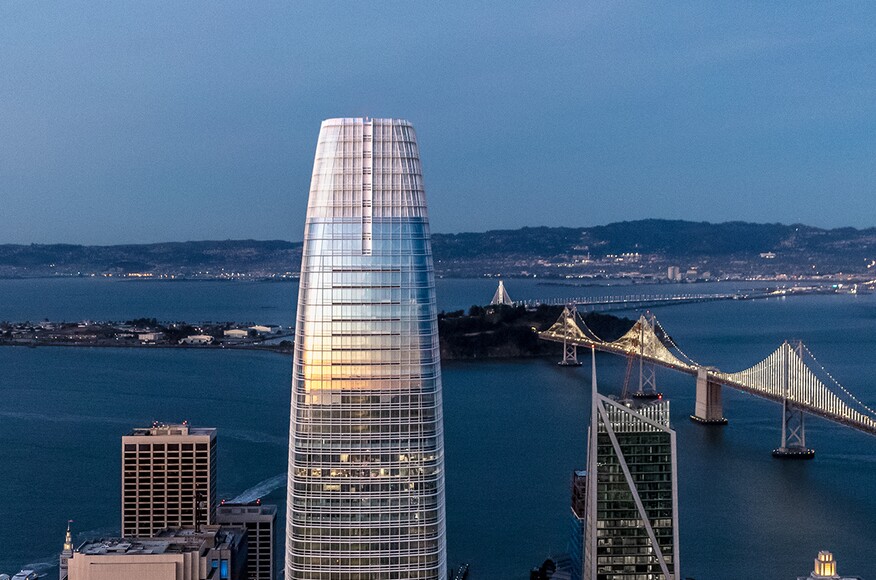
Examples such as the Bank of America Tower in New York and the Salesforce Building in San Francisco demonstrate how innovative infrastructure and energy solutions can transform tall buildings into models of sustainability. To facilitate these changes, governments must take a leadership role by supporting green building certification, incentivising retrofits and promoting policies that prioritise sustainable, energy-efficient urban development, not only for future urban trends, but also as the most cost-effective way to address the growing housing problem in the current economic climate.
Leave a Reply